DBS Treatment for Parkinson's, Essential Tremor & Dystonia: A New Horizon for Movement Disorders
Living with a movement disorder can present significant challenges, impacting everything from simple daily tasks to overall quality of life. For many individuals battling conditions like Parkinson's disease, essential tremor, and dystonia, conventional medications offer crucial relief but may eventually prove insufficient. This is where Deep Brain Stimulation (DBS) emerges as a transformative therapeutic option. DBS is an innovative, FDA-approved neurosurgical procedure that has profoundly improved the lives of countless patients by offering a sophisticated way to manage debilitating involuntary movements.
Imagine regaining control over your body, experiencing a reduction in relentless tremors, or finding relief from painful muscle spasms. For suitable candidates, Deep Brain Stimulation: A Guide to Relieve Tremors can make such improvements a tangible reality, providing a pathway to enhanced independence and a renewed sense of well-being when other treatments have fallen short. It represents a significant advancement in neurological care, offering hope where once there might have been limited options.
Understanding How Deep Brain Stimulation Works
At its core, Deep Brain Stimulation operates on a fascinating principle: using precisely delivered electrical impulses to modulate abnormal brain activity. The procedure involves the surgical implantation of thin wires, known as electrodes, into specific target areas within the brain. These electrodes are connected via wires running beneath the skin to a small, battery-operated device—similar to a cardiac pacemaker—implanted typically under the skin in the chest.
Once activated, the neurostimulator emits continuous electrical signals that travel along the wires to the electrodes in the brain. The magic lies in these impulses' ability to disrupt or "cancel out" the erratic brain signals responsible for involuntary movements like tremors or dystonic spasms. Think of it as a highly sophisticated "reset button" or a regulator for specific brain circuits. By providing a constant, low-level electrical current, DBS helps to normalize neural activity, thereby reducing or eliminating many of the disruptive symptoms associated with various movement disorders.
The success of DBS hinges on accurate targeting. Skilled neurosurgeons utilize cutting-edge brain mapping technologies, including advanced MRI and CT scans, sometimes combined with intraoperative physiological mapping, to pinpoint the exact regions responsible for a patient's symptoms. Common target areas include the subthalamic nucleus (STN) or globus pallidus interna (GPi) for Parkinson's and dystonia, and the thalamus (specifically the VIM nucleus) for essential tremor. This precision is paramount to achieving optimal therapeutic effects while minimizing side effects.
Conditions Benefiting from Deep Brain Stimulation
While often associated with Parkinson's, DBS is a versatile treatment applicable to a range of severe movement disorders, particularly when medication management becomes less effective or causes intolerable side effects. Here’s a closer look at the primary conditions for which DBS is a game-changer:
- Parkinson's Disease: For individuals with Parkinson's, DBS is typically considered when motor fluctuations (on/off periods), disabling dyskinesias (involuntary writhing movements often a side effect of medication), or severe tremor become refractory to optimal medical therapy. It can significantly improve tremors, rigidity, slowness of movement (bradykinesia), and dyskinesia, often allowing for a reduction in medication dosage and a more stable motor state throughout the day. DBS for Parkinson's aims to smooth out the "ups and downs" of the disease, providing more consistent symptom control.
- Essential Tremor: This is one of the most common movement disorders, characterized by rhythmic, involuntary shaking, most often affecting the hands and arms, but also potentially the head, voice, and legs. When essential tremor becomes severe enough to interfere with daily activities like eating, drinking, or writing, and medications no longer provide adequate relief, DBS can be exceptionally effective. Many patients experience immediate and dramatic reduction in tremor post-activation, restoring much-needed function and independence.
- Dystonia: Dystonia is a neurological movement disorder characterized by sustained or repetitive muscle contractions resulting in twisting and repetitive movements or abnormal fixed postures. It can affect a single body part (focal dystonia) or be generalized. For patients with severe, disabling dystonia, particularly generalized or segmental forms that don't respond to medication, DBS can offer profound relief. The stimulation helps to calm the overactive muscles, reducing painful spasms and improving posture and function over time. Unlike essential tremor, the full benefits for dystonia might take several weeks or months of programming adjustments to manifest.
- Other Disorders: Beyond these core conditions, DBS may also be explored for other disorders causing severe, intractable involuntary tremors or movement abnormalities, demonstrating its broad therapeutic potential in the field of neuromodulation.
It's important to note that DBS is not a cure for these conditions, but rather a highly effective symptomatic treatment. Patient selection involves a thorough evaluation by a multidisciplinary team, including neurologists, neurosurgeons, and neuropsychologists, to determine suitability and set realistic expectations for outcomes.
The Deep Brain Stimulation Procedure: A Detailed Look
Undergoing a DBS procedure is a significant step, and understanding each stage can help demystify the process. The journey typically begins with a rigorous pre-surgical evaluation, where a specialized team assesses your condition, overall health, and cognitive function to ensure DBS is the right choice for you.
1. Pre-operative Planning and Imaging
Before any surgical incision, advanced imaging is paramount. Neurosurgeons use high-resolution MRI and CT scans to create a detailed 3D map of the patient's brain. This mapping precisely identifies the target areas for electrode placement, avoiding critical structures and ensuring optimal therapeutic effect. Some centers might also perform functional brain imaging to further refine target localization.
2. Electrode Implantation
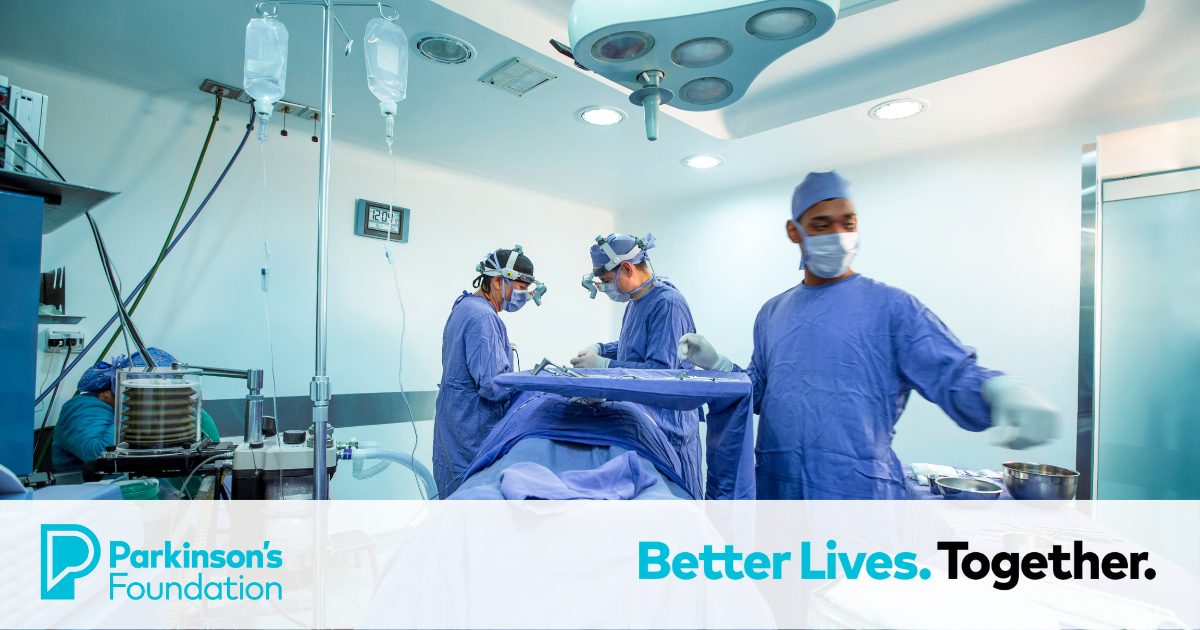
On the day of surgery, small holes are created in the skull, typically under local anesthesia (allowing the patient to be awake and cooperative) or general anesthesia. Being awake allows the surgical team to test the electrodes during implantation to confirm proper placement by observing immediate symptom improvement or side effects. This intraoperative testing, often guided by microelectrode recording (MER), provides real-time feedback, ensuring pinpoint accuracy. Once the optimal positions are confirmed, the electrodes are secured in place.
3. Internal Pulse Generator (IPG) Implantation
In a separate, usually shorter procedure, or sometimes during the same surgery, the neurostimulator (battery pack or IPG) is implanted. This device is typically placed under the skin near the collarbone in the chest. Wires are then tunneled subcutaneously (under the skin) from the electrodes in the head down the neck to connect to the IPG.
4. Post-operative Programming
The journey doesn't end with surgery. A few weeks after implantation, allowing for initial healing, the IPG is activated and programmed by a neurologist specializing in movement disorders. This programming is a highly individualized and iterative process. The neurologist uses a specialized external programmer to adjust stimulation parameters (e.g., voltage, pulse width, frequency) to achieve the best possible symptom control with minimal side effects. Patients often have several programming sessions over weeks or months to fine-tune the settings for optimal long-term results.
The ongoing programming aspect of DBS is a key differentiator from many other surgical interventions. It allows for flexibility and customization, adapting to changes in a patient's symptoms or medication regimen over time. For more in-depth information about this process, consider reading Deep Brain Stimulation: How it Works and Who it Helps.
Potential Benefits and Important Considerations
The promise of DBS is significant, offering many patients a dramatic improvement in their quality of life. For suitable candidates, the benefits can include:
- Significant Symptom Reduction: Often leading to substantial decreases in tremors, rigidity, slowness, dyskinesia, and dystonic spasms.
- Improved Quality of Life: Greater independence in daily activities, enhanced social engagement, and restored confidence.
- Reduced Medication Reliance: Many patients can lower their dosage of oral medications, potentially mitigating side effects.
- Long-term Effectiveness: DBS offers sustained symptom control over many years.
However, it's crucial to approach DBS with realistic expectations. While highly effective, it's not a cure. There are also potential risks associated with any brain surgery, including infection, bleeding, or lead malfunction, though these are rare. Patients must be committed to regular follow-up appointments for programming adjustments and device maintenance, including eventual battery replacement (typically every 3-5 years for non-rechargeable devices, or less frequently for rechargeable ones).
Practical Tip: Engage actively with your medical team. Ask questions, understand the potential outcomes, and be prepared for the commitment involved in post-operative programming to truly maximize the benefits of DBS.
Conclusion
Deep Brain Stimulation stands as a beacon of hope for individuals living with the debilitating effects of Parkinson's disease, essential tremor, and dystonia. By precisely modulating brain activity, DBS offers a sophisticated and effective pathway to regaining control over involuntary movements, reducing medication reliance, and significantly enhancing overall quality of life. If you or a loved one are struggling with a movement disorder despite optimal medical management, exploring DBS with a specialized neurological team could open the door to a life with greater freedom, independence, and comfort.